I am Gloria Penn-Wheatley, MD. A wife and a mother to three (3) children with one (1) child who is a Medical doctor in the specialty of family medicine. Also two (2) siblings who are medical doctors based in the British Virgin Islands and in the United Kingdom.
In my daily postings I will share information you can ponder and possible implement as you are on your journey to a happy, healthy and youthful you. This blog will also post content written and edited by other medical professionals.
This blog will let patients understand their condition and will share the different treatment options both modern medicine and alternatives medicine . Also will include contact information for relevant medical organizations.
Thank you for taking the time to learn about this platform.
Wheatgrass is rich in several essential nutrients that contribute to its health benefits, including:
Chlorophyll: Wheatgrass contains high levels of chlorophyll, a natural detoxifier that helps to purify the liver and bloodstream.
Vitamins: Wheatgrass is rich in vitamins A, B-complex, C, E, and K, which are essential for good health and wellness.
Minerals: Wheatgrass contains a wide range of essential minerals, including iron, calcium, magnesium, and potassium, which play a vital role in maintaining optimal health.
Antioxidants: Wheatgrass is an excellent source of antioxidants, including vitamins A, C, and E, which help to protect the body against harmful free radicals and oxidative stress.
Amino acids: Wheatgrass is also rich in amino acids, which are the building blocks of proteins and essential for the growth and repair of tissues in the body.
Enzymes: Wheatgrass contains several essential enzymes, including superoxide dismutase (SOD), which helps to reduce inflammation and protect against oxidative damage.
Are you looking to add more healthy, nutrient-rich foods to your diet? Alkaline vegetables may be just what the doctor ordered! These veggies are not only delicious, but they are loaded with vitamins, minerals, and other essential nutrients that can help you feel your best.
So, what exactly are alkaline vegetables? Well, put simply, they are veggies that have a higher pH level than acidic foods. When you consume alkaline veggies, they help to balance out the acidity in your body, which can help prevent inflammation and disease.
Some of the most popular alkaline vegetables include broccoli, cauliflower, spinach, kale, and collard greens. These veggies are not only high in alkalinity, but they are also chock full of vitamins and minerals like vitamin C, iron, and calcium.
These vegetables can be enjoyed in a variety of ways. For example, you can add spinach and kale to your smoothies for a quick and easy breakfast or snack. Or, try roasting cauliflower and broccoli with your favorite spices for a tasty and healthy side dish.
Another great thing about alkaline vegetables is that they are incredibly versatile. You can use them as a base for soups and stews, or add them to your favorite salads and sandwiches. The possibilities are truly endless!
So, if you are looking to improve your health and add some variety to your diet, consider incorporating more alkaline vegetables into your meals. Your body will thank you!
The safety of plastic water bottles has been a subject of discussion in recent years. There have been several objections raised against the use of plastic water bottles, including the potential for harmful chemicals to leach into the water-?(especially those bottles that are exposed to elevated temperatures during shipping) ; impact on the environment, and the possibility of plastic waste causing health problems for individuals and wildlife. While it is important to acknowledge these concerns, it is also important to evaluate them within the context of the scientific evidence and regulatory frameworks currently in place.
The first objection often raised against plastic water bottles is the possibility of harmful chemicals leaching into the water. Specifically, there is concern about Bisphenol-A (BPA) and phthalates, two chemicals that have been linked to potential health risks in humans.
The second objection is the impact of plastic water bottles on the environment. It is true that plastic waste can be detrimental to our planet, leading to pollution, litter, and harm to wildlife. However, it is also important to consider that plastic water bottles are just one of many sources of plastic waste, and there are numerous efforts underway to reduce the use of single-use plastics. Additionally, many plastic water bottles are now made with recycled materials, reducing their impact on the environment even further.
The third objection relates to the possibility of plastic waste causing health problems for individuals and wildlife. While it is true that plastic waste can inconvenience and harm both people and animals, it is important to note that this is largely due to poor disposal practices, rather than the inherent danger of plastic water bottles themselves. Proper disposal of plastic water bottles, such as recycling or properly disposing in a landfill, can significantly reduce the risks associated with plastic waste.
The fourth objection is the possibility of bacterial growth within plastic water bottles, potentially leading to illness. However, this is a risk associated with all types of water bottles, not just plastic ones. Proper cleaning and maintenance of water bottles, including regular washing and disinfecting, can reduce the risk of bacterial growth.
The final objection that is sometimes raised against plastic water bottles is the possibility of foul taste or odor in the water due to the plastic material. While it is true that this can occur in some cases, it is not necessarily a widespread issue, and it can often be mitigated by switching to a different type of a plastic , glass or using a water filter.
In conclusion, while there are objections that can be raised against the safety of plastic water bottles, it is important to evaluate these objections within evidence and regulatory frameworks and your own personal experience. Drinking from plastic water bottles on an occasional basis should be safe but if drinking from plastic bottles on a daily basis reconsider and add in the usage of a glass water bottle.
Types of water bottles that may be more beneficial in increasing water consumption:
Large capacity bottles: Bottles with larger capacities, such as 32-64 ounces, may encourage individuals to drink more water as they do not need to refill as often.
Wide-mouth bottles: Wide-mouthed bottles make it easier to add ice or fruit to the water, making it more enjoyable to consume.
Infuser bottles: Infuser bottles can be filled with fruits, herbs, or vegetables to add flavor to water and make it more enticing to drink.
Insulated bottles: Insulated bottles keep water cold for longer periods, making it more refreshing to drink and helping individuals to consume more water.
Transparent bottles: Transparent bottles with clear markings make it easier to track water intake throughout the day.
As we all know, drinking enough water is incredibly important for our overall health and well-being. But let’s be honest, it isn’t always easy to remember to drink enough water throughout the day. Here are some tips to help you stay hydrated and encourage yourself to drink more water!
“I forget to drink water when I’m busy.”
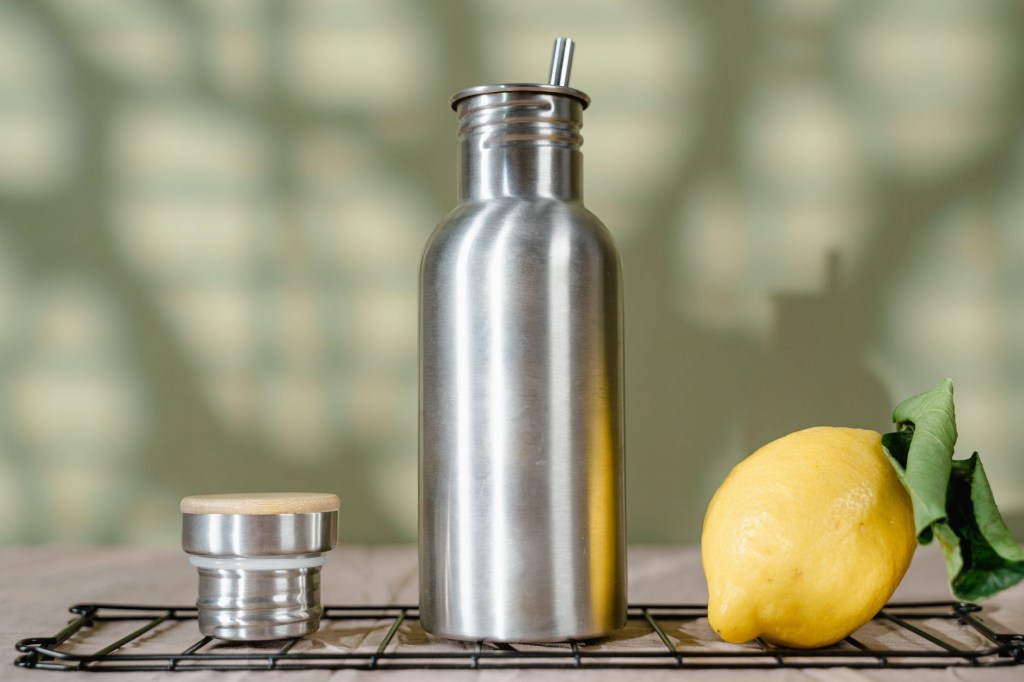
We get it, life can be hectic! One tip is to keep a reusable water bottle with you wherever you go. This will serve as a visual reminder to drink water and you’ll always have it on hand when you need it.
“I don’t like the taste of plain water.”
If you find plain water boring, try infusing it with some flavor! Add some fresh fruit such as strawberries or lemon slices to your water bottle to give it a fresh taste. You can also try adding in a low-calorie flavoring packet that can easily be purchased at the grocery store. Reminder: as you drink more water on a daily basis a new habit is being formed and then some where down the road your body will love water. Start where you are: have fun with drinking your water- squirt water into your mouth. Try a spray water bottle. Have fun!!!!
“Drinking water is too expensive.”
Buying bottled water can add up fast. Instead, invest in a reusable water bottle that you can refill throughout the day. Not only does this save money in the long run, but it’s also better for the environment. If you live in the Caribbean or located in other parts of the world drink your cistern or the rain water you collected. Add a filter. Reminder there are hand held glasses and Water jugs with filters. There you have it “free water”.
“I always forget to drink water when I’m out and about.”
If you’re out running errands or have a busy day at work, try setting reminders on your phone to drink water. Download water reminder apps. This is an easy way to encourage yourself to drink more throughout the day and it’s a great way to help you stay on track.
“I don’t like the taste of tap water.”
If you’re not a fan of tap water, invest in a water filter. Not only will it make your water taste better, but it’s also a great way to ensure that the water you’re drinking is cleaner and healthier.
Drinking enough water is essential to our overall health, and with these tips, it can be easy to keep your body hydrated. Try incorporating some of these tips into your routine and make drinking water a habit. Remember, a healthy body starts with a hydrated one, so drink up!
Have you ever wondered how much water you should be drinking in a day? It’s a question that comes up a lot, and rightly so! Water is essential for our bodies to function correctly, so it’s essential that we’re drinking enough.
Firstly, let’s talk about the importance of drinking water. Water is responsible for regulating your body temperature, protecting your organs and tissues, lubricating joints, and transporting nutrients throughout your body. Without enough water, your body cannot perform these tasks efficiently.
So, how much water should you be drinking? The general consensus is that an adult should aim to drink around 8 to 10 cups (12 ounces cups) of water a day. However, this can vary depending on your activity level, age, body weight and gender.
If you’re someone who exercises regularly, it’s important to drink more water as you will lose more fluids through sweat. Pregnant and breastfeeding women also need to drink more water to support their baby’s growth and milk production.
Water is essential for our bodies to function correctly. Drinking enough water can regulate your body temperature, protect your organs and tissues, lubricate joints, and transport nutrients throughout your body.
By drinking enough water, you can help your body function at its best and support your overall health.
Aim to drink around 8 to 10 cups of water a day, more if you exercise regularly or are pregnant/breastfeeding. Keep a water bottle with you throughout the day as a reminder to hydrate!
Remember, staying hydrated is crucial for your health and well-being. So, drink up and cheers to a healthier, happier you! You can download an app to assist you in keeping track of your water intake. My favorite app. “Waterllama “.
Suggestions: Ten (10) food categories that can be beneficial for individuals with diabetes
Leafy green vegetables – Kale, spinach, collard greens, and other leafy green vegetables are a powerhouse of nutrients for diabetics. These vegetables are loaded with vitamins, minerals, and fiber, which can help regulate blood sugar levels.
Blueberries – Blueberries are packed with antioxidants and have a low glycemic index (GI) score, making them a great option for individuals with diabetes. Studies have shown that eating blueberries regularly can help improve insulin sensitivity. Reminder: 1 serving per day with leafy green meal or green smoothie.
Whole grains – Whole grains, such as brown rice and quinoa are rich in fiber, vitamins, and minerals, and have a low GI score. These factors can help control blood sugar levels and reduce the risk of heart disease, which is a common complication of diabetes.
Nuts – Nuts, such as almonds, walnuts, and raw peanuts, are an excellent source of healthy fats, protein, and fiber. Eating nuts regularly can help reduce insulin resistance and lower the risk of heart disease.
Fish – Fish, such as salmon, tuna, and sardines, are loaded with omega-3 fatty acids, which can help reduce inflammation and improve insulin sensitivity. Adding fish to your diet can help reduce the risk of heart disease and other diabetes-related complications.
Sweet potatoes – Sweet potatoes are a great source of carbohydrates that are slowly absorbed by the body, resulting in a steady release of glucose into the bloodstream. These properties make sweet potatoes a great option for individuals with diabetes.
Yogurt – Plain, unsweetened yogurt is an excellent source of protein and calcium, and it can help regulate blood sugar levels. However, be sure to choose low-fat or fat-free options to avoid excess calories.
Legumes – Legumes, such as beans and lentils, are a great source of protein, fiber, and carbohydrates that are slowly absorbed by the body, making them an ideal food for diabetics.
Avocado – Avocado is a great source of healthy fats and fiber, which can help reduce inflammation and improve insulin sensitivity. Adding avocado to your diet can help lower your risk of heart disease, which is a common complication of diabetes.
Berries – Berries, such as strawberries, raspberries, and blackberries, are packed with antioxidants and have a low GI score, making them a great option for individuals with diabetes. These berries can help regulate blood sugar levels and reduce inflammation in the body.
Incorporating low-carb, high-fiber foods in a diabetic diet has several nutritional benefits, including:
Improved blood sugar control: High-fiber foods take longer to digest, slowing the absorption of glucose into the bloodstream and helping to maintain blood sugar levels.
Reduced insulin resistance: Low-carb, high-fiber foods can help improve insulin sensitivity and reduce insulin resistance, making it easier for the body to use insulin effectively.
Lowered risk of heart disease: Eating a low-carb, high-fiber diet can help reduce the risk of heart disease by promoting healthy cholesterol levels, improving blood pressure, and reducing inflammation.
Weight loss: Eating a low-carb, high-fiber diet can promote weight loss, which is important for managing diabetes and preventing complications.
Improved digestive health: High-fiber foods support gut health by promoting regular bowel movements, reducing inflammation, and feeding beneficial gut bacteria. This can help reduce the risk of digestive issues like constipation, diarrhea, and inflammatory bowel disease.
I understand that managing diabetes can be a challenging task. One of the most crucial aspects of diabetes management is a healthy meal plan. While following a balanced diet is essential, the timing of meals is equally important for diabetics.
Many people believe that three square meals a day are perfect for everyone, but this does not hold for individuals with diabetes. Instead, it is recommended that diabetics divide their daily food intake into smaller portions and consume them at the right time to avoid blood sugar spikes.
One of the best times for diabetics to eat is in the morning. Breakfast is indeed the most important meal of the day, and reminder – 75% of plate should be raw or cooked veggies with even breakfast, and it is even more crucial for individuals with diabetes. A balanced breakfast consisting of veggies, whole grains, protein, and a fiber rich green smoothie can help stabilize blood sugar levels and promote overall health.
Another ideal time for diabetics to eat is right before exercising. Consuming a small snack or meal before exercising provides the body with sufficient energy to perform well, while also preventing a drop in blood sugar levels.
Lunch and dinner are also crucial meal times, but it’s essential to ensure that there is a glaring time difference between the two. Eating dinner early, at least two to three hours before bedtime, helps the body digest food better and regulate blood sugar levels.
Finally, snacking can also be a vital part of a diabetic’s diet, but the key to proper snacking is choosing the right foods. Opt for healthy, low-carb snacks such as nuts, and vegetables and ensure that you maintain portion control. For other persons with diabetes snacking is not as beneficial.
In summary, diabetics must consume small and frequent meals at the right times to regulate blood sugar levels better. Having breakfast, snacking, and eating dinner early are some of the best times for diabetics to eat, and it can help promote overall health.












 Health Vibes