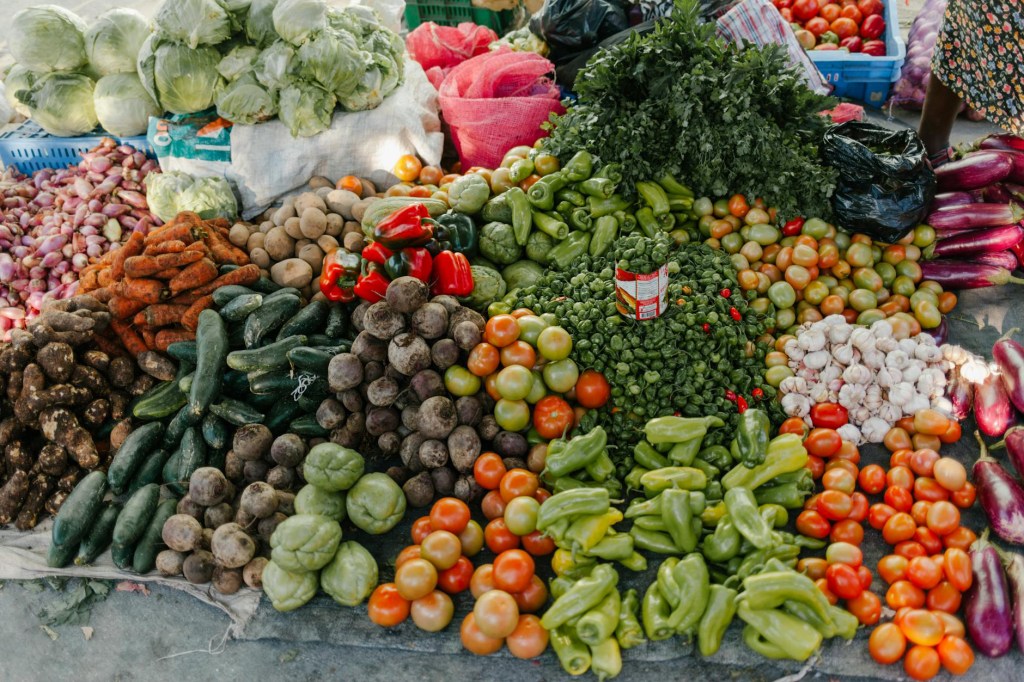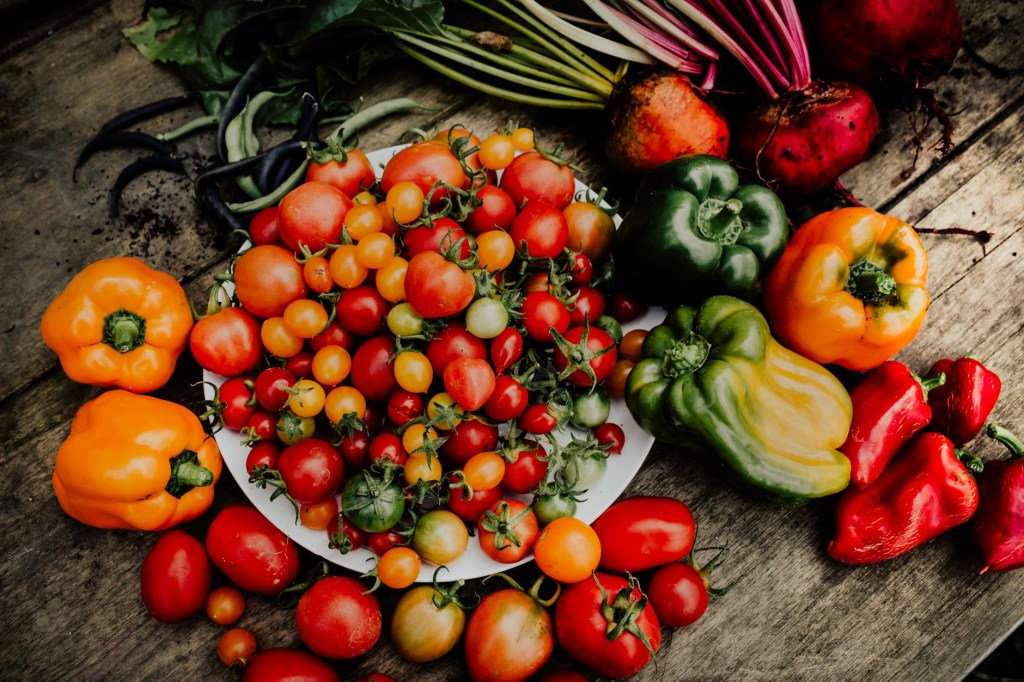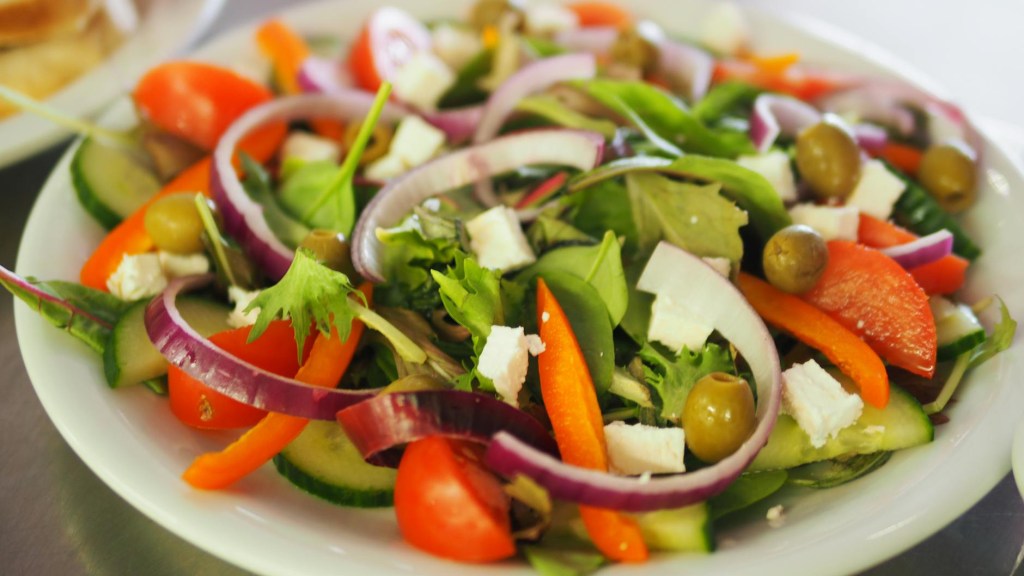

The list below is very specific if your goal is weight loss. Create meals from the below list. Also see suggested meals you can start with.
Cruciferous vegetables:
1. Broccoli
2. Cauliflower
3. Cabbage
4. Brussels Sprouts
5. Kale
6. Collards
7. Bok Choy
8. Arugula
9. Radishes
10. Turnips
Other: Vegetables: spinach, lettuce, okra, watercress
Protein Selection:
11. Eggs
12. Leans : Meats (Beef, lamb, Ribs)
13. Poultry : Chicken – the dark meat
14. Fish ( local island fish) – can add salmon, grouper, snapper from the market if local no local fish is available.
15. Tofu
16. Falafel
Fat Selections;
Avocado, olive oil, nuts,
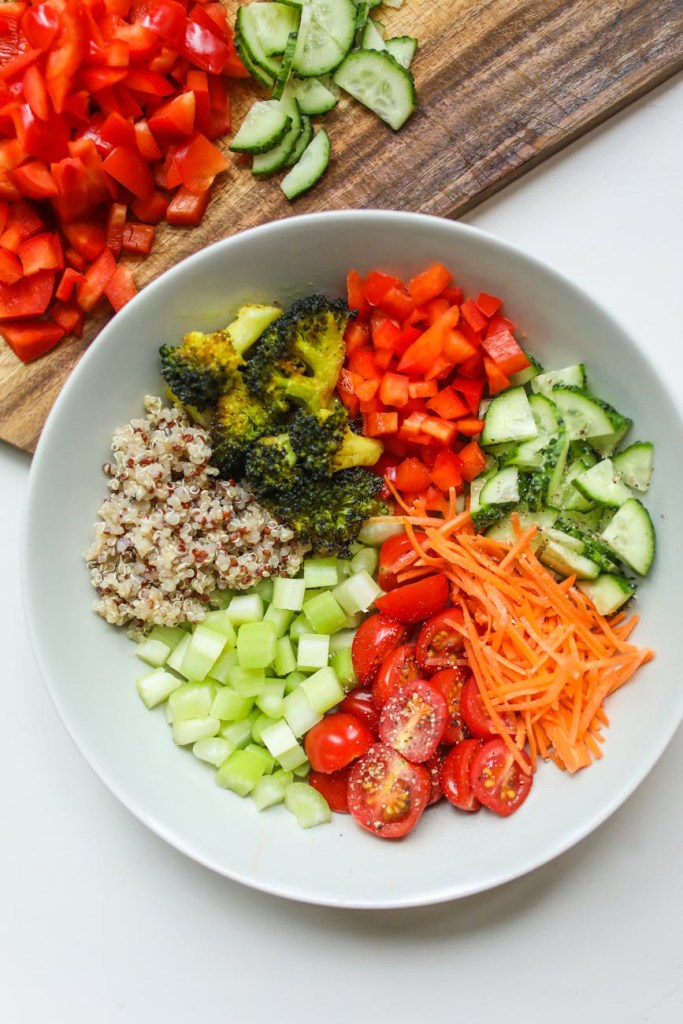

Here’s a seven-day menu using the ingredients you’ve provided. It includes balanced meals with proteins, veggies, and fats:
Day 1:
Breakfast: Scrambled Eggs with Spinach and Avocado
- Ingredients: Eggs, spinach, avocado
- Method: Scramble eggs with sautéed spinach, serve with sliced avocado.
Lunch: Chicken and Kale Salad
- Ingredients: Chicken, kale, olive oil
- Method: Grilled chicken over a bed of kale, drizzled with olive oil.
Dinner: Salmon with Broccoli and Olive Oil
- Ingredients: Salmon, broccoli, olive oil
- Method: Bake salmon with steamed broccoli, topped with olive oil. Utilize local fish where necessary
Day 2:
Breakfast: Avocado Toast with Radish Slices
- Ingredients: Avocado, radishes, whole-grain bread
- Method: Mashed avocado on toast, topped with sliced radishes.
Lunch: Collard Green Falafel Wrap
- Ingredients: Falafel, collard greens, arugula
- Method: Wrap falafel in collard greens with arugula.
Dinner: Tofu Stir-Fry with Bok Choy
- Ingredients: Tofu, bok choy, olive oil
- Method: Stir-fry tofu and bok choy in olive oil.
Day 3:
Breakfast: Omelette with Watercress
- Ingredients: Eggs, watercress
- Method: Make an omelette with fresh watercress.
Lunch: Beef and Cabbage Stew
- Ingredients: Beef, cabbage, olive oil
- Method: Cook beef and cabbage in olive oil into a stew.
Dinner: Grilled Grouper with Brussels Sprouts
- Ingredients: Grouper fish, Brussels sprouts, olive oil
- Method: Grill grouper, serve with roasted Brussels sprouts drizzled with olive oil.
Day 4:
Breakfast: Smoothie with Spinach and Avocado
- Ingredients: Spinach, avocado, nuts
- Method: Blend spinach, avocado, and nuts.
Lunch: Lamb and Lettuce Wraps
- Ingredients: Lamb, lettuce, radishes
- Method: Cook lamb, wrap in lettuce with sliced radishes.
Dinner: Chicken and Cauliflower Curry
- Ingredients: Chicken, cauliflower, olive oil
- Method: Make curry with chicken, cauliflower, and olive oil.
Day 5:
Breakfast: Avocado and Egg Breakfast Bowl
- Ingredients: Eggs, avocado, kale
- Method: Serve poached eggs with mashed avocado and kale.
Lunch: Tofu and Arugula Salad
- Ingredients: Tofu, arugula, olive oil
- Method: Toss tofu with arugula, drizzle with olive oil.
Dinner: Snapper with Okra
- Ingredients: Snapper, okra, olive oil
- Method: Roast snapper with okra and olive oil.
Day 6:
Breakfast: Frittata with Brussels Sprouts
- Ingredients: Eggs, Brussels sprouts
- Method: Bake a frittata with Brussels sprouts.
Lunch: Falafel and Cabbage Bowl
- Ingredients: Falafel, cabbage, olive oil
- Method: Serve falafel over cabbage with olive oil.
Dinner: Lamb and Bok Choy Stir-Fry
- Ingredients: Lamb, bok choy, olive oil
- Method: Stir-fry lamb and bok choy in olive oil.
Day 7:
Breakfast: Smoothie with Kale and Avocado
- Ingredients: Kale, avocado, nuts
- Method: Blend kale, avocado, and nuts.
Lunch: Beef Radish Salad
- Ingredients: Beef, radishes, olive oil
- Method: Sauté beef, serve over radishes with olive oil.
Dinner: Grilled Salmon with Turnips
- Ingredients: Salmon, turnips, olive oil
- Method: Grill salmon, serve with roasted turnips drizzled with olive oil.
Notes:
-When eating meals add a green salad. At breakfast, lunch, or dinner a green salad will become the norm.
-No snacking between meals – drink water, green tea, or caffeinated coffee (no sugar but milk is fine)

Plan ahead and have meals available before eating times
Eat: 10:00 am to 11:00 am First meal
2:00 pm to 3:00 pm – next meal
6:00 pm last meal ***
Decrease Carbohydrate Intake:
Keep track of your carbs and choose a variety of steam and raw vegetables to replace the carbs. Use a timely reduction method to minimize carbohydrates in your diet:
If you have been diagnosed as pre-diabetic or a full diabetic immediately remove carbohydrates from the diet and use any meat with vegetables to stabilize the insulin release and the blood sugar. By minimizing carbohydrates intake the body decreases the craving for carbohydrates.
What is a Carbohydrate:
Carbohydrates are one of the main types of nutrients and serve as a significant energy source for our bodies. They are composed of carbon, hydrogen, and oxygen, and are found in various foods. Carbohydrates can be categorized into three main types
1. Sugars: Simple carbohydrates found in foods like fruits, milk, and sweeteners. Examples include glucose, fructose, and sucrose.
What occurs when you consume Fructose:
Fructose metabolism leads to the production of triglycerides.
Glucose Metabolism:
Glucose Metabolism leads to the production of lipids – as seen in the glucose metabolism pathway below:
Sucrose:
Sucrose is a combination of glucose and fructose. The glucose leads to lipids and fructose would create triglycerides. In summary the sugars lead to lipids and and triglycerides. The body utilizes the sugars to make elements the body needs- the issue is the over consumption of the sugars on a daily basis which translates to an over abundance of the lipids and the triglycerides.
2. Starches: Complex carbohydrates that are abundant in foods like rice, bread, cereals, and pasta. They are composed of many sugar molecules bonded together. Limit the starches since they cause insulin to be released all through the day in the body and in turn cause insulin resistance and the patient develop other chronic diseases.
3. Fiber : Another form of complex carbohydrate found in plant foods such as vegetables, fruits, and whole grains. Unlike other carbohydrates, fiber is not digested by the body, but it aids in digestive health.
Fasting can lower blood sugar levels through several mechanisms: Which is turn causes weight loss
1. Reduced Insulin Production: During fasting, food intake is minimized, leading to decreased insulin secretion. Insulin is a hormone that helps regulate blood sugar by promoting glucose uptake into cells. Lower insulin levels can lead to reduced blood sugar levels. Fasting has decrease the constant eating therefore insulin gets to rest. It is a viscous cycle – Food (CHO) – insulin – Food – insulin. Proteins also cause insulin levels to rise, but not as elevated as carbohydrates.
2. Increased Insulin Sensitivity : Regular fasting may improve the body’s sensitivity to insulin, meaning that cells respond better to the hormone. This improved response can help maintain healthy blood sugar levels over time. Base on a scientific study conducted- diabetics who implement sixteen (16) : eight (8) intermittent fasting along with the guidelines – their medications were decreased and they saw significant weightloss.
3. Utilization of Stored Glucose : When you fast, the body initially uses stored glycogen (a form of glucose) in the liver for energy. As glycogen stores are depleted, the body begins to rely on fat for fuel, which helps maintain stable blood sugar levels.
4. Reduction in Appetite and Caloric Intake: Fasting reduces overall consumption of carbohydrates, which are typically broken down into glucose, thus lowering the demand for insulin and helping to control blood sugar levels.
5. Hormonal Changes: Fasting influences the release of hormones like glucagon, which helps increase blood sugar levels by promoting the breakdown of glycogen into glucose. However, as fasting continues and glycogen stores get depleted, and the body shifts to fat metabolism, stabilizing blood sugar levels.
6. Decreased Inflammation: Fasting can reduce inflammation, which may indirectly help maintain balanced blood sugar levels, as chronic inflammation can lead to insulin resistance.
People considering fasting, especially those with diabetes or other health conditions, should consult with a healthcare provider first to ensure it’s safe and suitable base on their medical history.
Types of Fasting:
There are several types of fasting that can be effective for lowering blood sugar levels. Here are some of the most common and effective ones:
1. Intermittent Fasting (IF): This involves cycling between periods of eating and fasting. Popular methods include the 16/8 method (16 hours of fasting and an 8-hour eating window), 5:2 method (eating normally for five days and restricting calories to 500-600 for two non-consecutive days), and the Eat-Stop-Eat method (24-hour fasts once or twice a week).
2. Alternate-Day Fasting: This approach involves alternating between a day of normal eating and a day of fasting or reduced caloric intake (about 500 calories). This method can lead to improved insulin sensitivity and lower blood sugar levels.
3. Extended Fasting: This type involves fasting for more extended periods, such as 24, 48, or 72 hours. It can significantly impact blood sugar and insulin levels, but it should be approached with caution and medical supervision, especially for those with underlying health conditions.
4. Time-Restricted Eating: This is similar to intermittent fasting and involves limiting the daily eating period to a certain number of hours, typically ranging from 4 to 10 hours. This can help control blood sugar by reducing the time during which calories are consumed.
5. Periodic Fasting: Involves fasting for a certain number of days straight, such as fasting for 5 days in a month, often incorporating either very low caloric intake or complete fasting.
6. Religious Fasts: Many religious fasting practices, like Ramadan, involve fasting from dawn to sunset, which can also have beneficial effects on blood sugar levels.
Each person’s response to fasting can vary, so it’s essential to choose a fasting regimen that suits your lifestyle and health needs. Always consult with a healthcare provider before starting any fasting routine, especially if you have diabetes or other medical conditions, to ensure it is safe and effective for you.
Fasting has been shown to have a positive impact on insulin resistance, which is a condition where the body’s cells don’t respond well to insulin, leading to higher blood sugar levels. Here’s how fasting can help:
1. Improved Insulin Sensitivity: Fasting helps increase the body’s sensitivity to insulin. When you fast, insulin levels drop, which allows your cells to become more receptive when insulin is present, improving overall efficiency in lowering blood sugar.
2. Reduced Insulin Levels: By not eating for extended periods, insulin levels naturally decrease. This reduction allows your body to “reset” and function more efficiently when insulin is introduced, helping to improve insulin resistance.
3. Decreased Inflammation: Fasting has anti-inflammatory effects, which can help reduce chronic inflammation that often accompanies insulin resistance and contribute to the development of type 2 diabetes.
4. Weight Loss: Losing weight is one of the most effective ways to improve insulin resistance, and fasting can facilitate weight loss by creating a caloric deficit.
5. Enhanced Fat Metabolism: During fasting, the body shifts from glucose metabolism to fat metabolism, which can improve insulin sensitivity and reduce the risk of diabetes.
Intermittent fasting is often recommended as a practical and sustainable approach to address insulin resistance. However, it is crucial to implement it carefully and ideally under medical supervision, especially for individuals with existing health conditions such as diabetes. Consulting with a healthcare provider ensures that fasting strategies are safe and suitable for your specific health needs.