
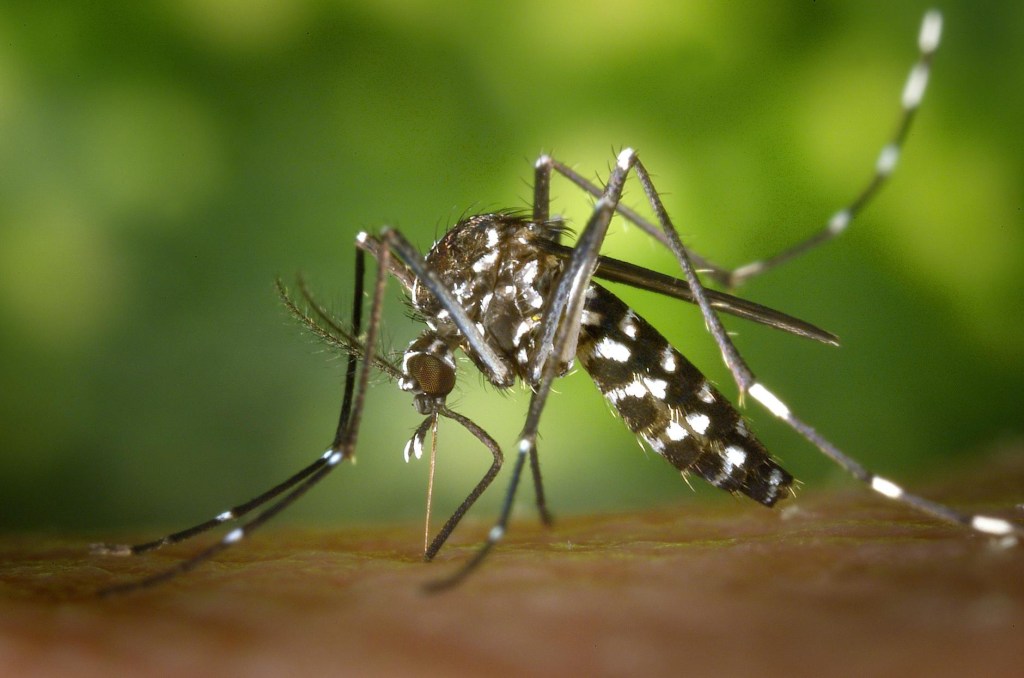
What is Dengue:
Dengue is a viral infection transmitted to humans through the bite of infected mosquitoes, particularly the Aedes aegypti mosquito. It’s prevalent in tropical and subtropical regions worldwide. The disease can cause a wide range of symptoms, including high fever, severe headache, joint and muscle pain, skin rash, and mild bleeding. In some cases, it can develop into severe dengue, also known as dengue hemorrhagic fever or dengue shock syndrome, which can be life-threatening. There is no specific antiviral treatment for dengue, and prevention mainly involves controlling mosquito populations and avoiding mosquito bites.
How to Can I Prevent Dengue Fever:

Preventing dengue fever primarily involves reducing exposure to mosquito bites and controlling mosquito breeding. Here are some effective measures you can take:
- Use Mosquito Repellents: Apply insect repellent containing DEET, picaridin, IR3535, or oil of lemon eucalyptus on exposed skin, .
- Wear Protective Clothing: Dress in long sleeves, long pants, and socks to minimize skin exposure, especially during dawn and dusk when mosquitoes are most active.
- Install Screens: Ensure windows and doors have screens to keep mosquitoes out. Repair any holes promptly.
- Use Mosquito Nets: Sleep under a mosquito net, especially in areas where dengue is common.
- Use Air Conditioning or Fans: Mosquitoes are less active in cooler environments, so using air conditioning or fans can help deter them. With air conditioners you can avoid mosquitoes since doors and windows will remain closed.
- Eliminate Mosquito Breeding Sites:
- Regularly empty, clean, or cover containers that hold water, such as old car tires, flower pots, buckets, and barrels to prevent mosquitoes from laying eggs.
- Maintain swimming pools and ensure proper drainage in gardens.
- Community Efforts: Engage in community programs aimed at reducing mosquito populations, such as removing standing water and fumigation efforts (play a role in calling your local government department involve in fumigating your community to ensure it is done).
- Stay Informed: Be aware of dengue outbreaks in your area and take extra precautions if you’re in a high-risk region.
By implementing these preventative measures, you can significantly reduce the risk of contracting dengue fever.
Symptoms:

The symptoms start 4 to 7 days after being bitten from an infected mosquito and involve high fevers,
headache behind the eyes,
nausea,
vomiting,
skin rash,
muscle ache
Joint pain
A new added symptom noted in clinic – lower back pain
Stages of the Dengue Symptoms:
Dengue fever typically progresses through three stages:
- Febrile Phase:
- Duration: Usually lasts 2-7 days.
- Symptoms: High fever (up to 104°F or 40°C), severe headache, pain behind the eyes, joint and muscle pain, nausea, vomiting, and rash.
- Management: Rehydration and symptomatic relief with fever-reducing medications like acetaminophen, avoiding aspirin or non-steroidal anti-inflammatory drugs.
- Critical Phase:
- Timing: Occurs around the time the fever subsides, typically 3-7 days after onset of illness.
- Symptoms: Blood plasma leakage leading to fluid accumulation, severe abdominal pain, persistent vomiting, rapid breathing, bleeding gums, blood in vomit or stool, fatigue, and restlessness.
- Complications: Possible development of dengue hemorrhagic fever or dengue shock syndrome, which can be life-threatening.
- Management: Requires close medical monitoring and possibly hospital care to manage potential complications.
- Recovery Phase:
- Timing: Begins after the critical phase, may last 2-3 days.
- Symptoms: Gradual reabsorption of leaked fluids, improvement in symptoms, a different rash may appear, and general well-being improves.
- Management: Continued observation, maintaining hydration, and rest.
It’s important to seek medical attention if you suspect dengue, especially as symptoms progress towards the critical phase, to manage the condition effectively and avoid severe complications.
Special Note As Pertain to the Critical Phase:
Note: persons might appear well despite early signs of shock.
Once hypotension develops:
systolic blood pressure rapidly declines, and irreversible shock and death can ensue despite resuscitation efforts.
Especially in cases of prolonged shock, persons can develop severe hemorrhagic manifestations, including hematemesis (vomiting blood), Melina (blood in stool), or menorrhagia.
Uncommon manifestations during this phase include encephalitis, hepatitis, myocarditis, and pancreatitis. Brain, liver, heart muscles, and pancreas inflamed respectively.
Laboratory findings:
First Tests:
Dengue Antigen, Dengue antibodies IgG and IgM, CBC (complete blood count).
Laboratory Test Results: in the critical phase of dengue
commonly include elevated aspartate aminotransferase (AST) and alanine aminotransferase (ALT),hyponatremia, (low sodium), leukopenia (low white blood cells), lymphopenia, thrombocytopenia (low platelet count), and a normal erythrocyte sedimentation rate (ESR).
Advise for patients diagnosed with dengue:


- Stay well hydrated : mainly water, clear liquids,
- Avoid medications with anticoagulant properties, including aspirin (acetylsalicylic acid),
- Aspirin containing drugs,
- And other nonsteroidal anti-inflammatory drugs (e.g., ibuprofen). To control fever,
- Advise patients to use acetaminophen and tepid sponge baths. Caution febrile patients to avoid mosquito bites to reduce risk for further community transmission.
- Follow dengue preventative measures mentioned at the beginning of this post.
Special notes to medical professionals:
Prophylactic platelet transfusions in dengue patients are not beneficial and can contribute to fluid overload.
Note:
Similarly, administration of corticosteroids has no demonstrated benefit and is potentially harmful. Avoid use of corticosteroids except in cases of autoimmune-related complications. CDC has additional dengue case
Steroids contraindicated in Dengue- CDC
Steroids are a risk factor for developing:
– stress ulceration
- Upper gastrointestinal (GI) bleeding in critically ill patients.
Third Spacing Fluid Loss:
Signs and symptoms include
- weight gain,
- decreased urinary output,
- signs of hypovolemia, (tachycardia and hypotension)

 Health Vibes