
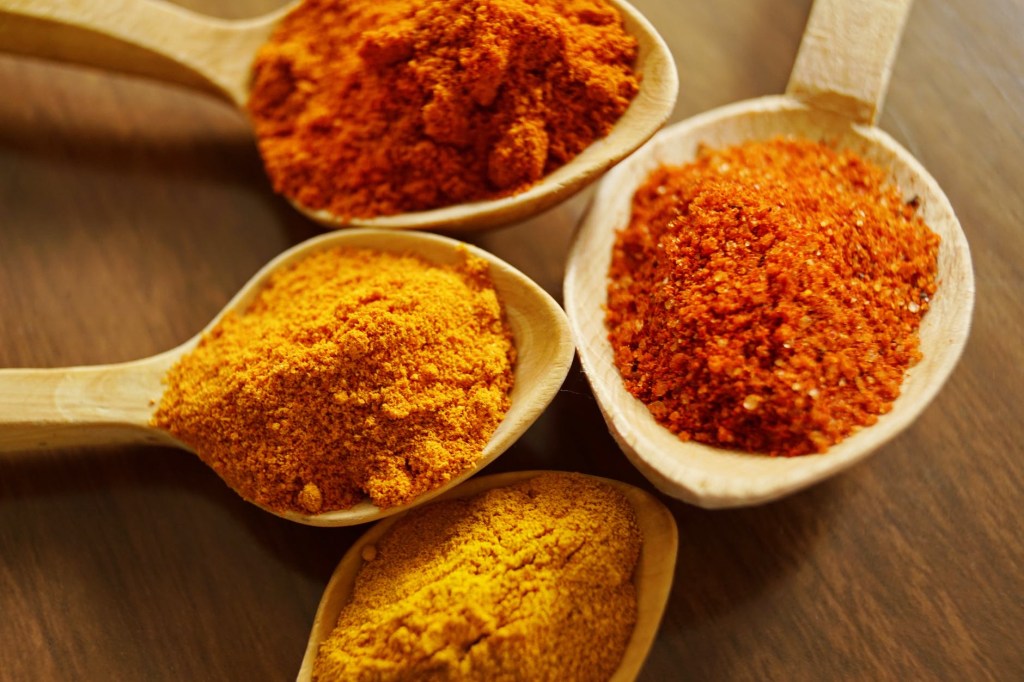
Turmeric is a spice that comes from the turmeric plant (Curcuma longa) and is commonly used in Indian cuisine. It contains an active compound called curcumin, which has been studied for its potential health benefits, including its effect on blood sugar levels. While there is some research suggesting that curcumin may have a positive impact on blood sugar control, it is important to note that more extensive studies are needed to fully understand its effects and optimal usage.
Here are some ways that curcumin, found in turmeric, may help lower blood sugar:
- Improved insulin sensitivity: Curcumin may enhance the sensitivity of insulin receptors, allowing cells to take in glucose more effectively. This can help improve blood sugar control.
- Reduced inflammation: Chronic inflammation can contribute to insulin resistance, which impairs the body’s ability to regulate blood sugar levels. Curcumin has anti-inflammatory properties and may help reduce inflammation in the body, potentially improving insulin sensitivity.
- Increased glucose uptake: Curcumin may stimulate the transport of glucose into cells, promoting its absorption and utilization. This can help reduce the amount of glucose circulating in the bloodstream.
It’s important to note that the effects of curcumin on blood sugar levels may vary among individuals. Also, the bioavailability of curcumin is generally low, meaning that the body may not absorb it efficiently. To enhance the absorption, consuming curcumin with black pepper or a fat source like oil may be helpful.
While turmeric can be a flavorful addition to your diet, it is important to understand that it is not a replacement for prescribed medications or proper medical care. If you have diabetes or concerns about your blood sugar levels, it is always best to consult with a healthcare professional for guidance and personalized advice.
 Health Vibes