

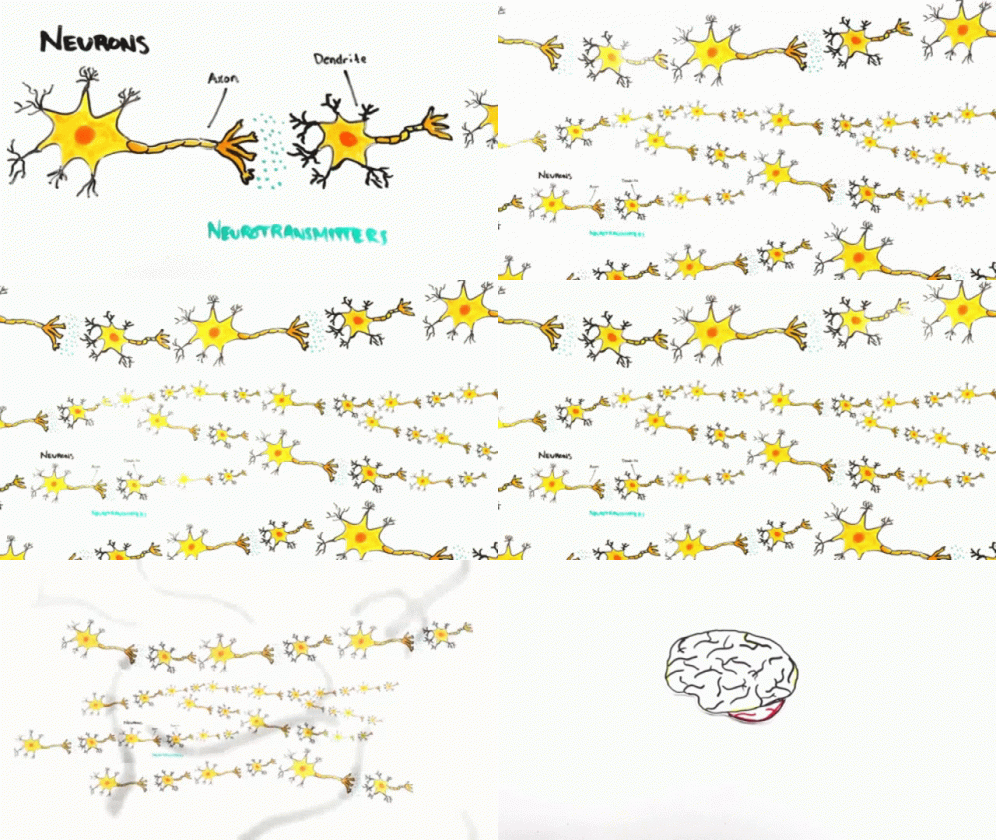
Multiple Sclerosis (MS) is a chronic autoimmune disease that affects the central nervous system (CNS), specifically the brain and spinal cord. In MS, the immune system mistakenly targets the protective covering of nerve fibers, called myelin, leading to inflammation and damage. This disrupts the transmission of electrical impulses along the nerves, causing a wide range of physical, sensory, and cognitive symptoms.
The prevalence of MS varies geographically, but it is estimated that there are around 2.8 million people worldwide living with MS. Although MS can occur at any age, it is most commonly diagnosed between the ages of 20 and 50. That being said, MS can affect individuals of all ages, including children and older adults.
Regarding gender, MS has a higher incidence in women compared to men, with the ratio varying between 2:1 and 3:1. The reasons for this gender disparity are still not fully understood. Researchers believe that a combination of genetic, hormonal, and environmental factors may contribute to the difference in MS prevalence between males and females.
The impact of MS on individuals can vary greatly depending on the stage of the disease, the type of MS, and the symptoms experienced. Common symptoms of MS include fatigue, weakness, vision problems, balance and coordination difficulties, numbness or tingling, muscle spasms, cognitive changes, and emotional disturbances. These symptoms can significantly affect a person’s quality of life, daily activities, employment, relationships, and overall well-being.
MS is a complex and unpredictable disease. Its symptoms can come and go in episodes, known as relapses or exacerbations, or progress gradually over time. Effective management of MS often involves a multidisciplinary approach that includes healthcare providers, such as neurologists, physical and occupational therapists, and other allied health professionals. Timely diagnosis, proper treatment, and support play a crucial role in helping individuals with MS lead fulfilling lives and managing the challenges associated with the condition.
Chapter 1
The exact cause of Multiple Sclerosis (MS) is still not fully understood. However, researchers believe that a combination of genetic and environmental factors plays a role in its development.
Genetics: There is evidence of a genetic component in MS. People who have a close relative with MS, such as a parent or sibling, have a higher risk of developing the disease. However, having a family member with MS does not guarantee that an individual will develop it. It suggests that certain genes may increase susceptibility to the disease, but additional factors are needed for MS to manifest.
Environmental Factors: Environmental factors are believed to contribute to the risk of developing MS. Some studies have identified factors such as exposure to certain viruses, low vitamin D levels, smoking, and a lack of sunlight as potential environmental influences. However, it is important to note that these factors are not direct causes but may act as triggers in individuals who are already genetically predisposed.
Infections: Certain viral infections have been linked to an increased risk of developing MS. The Epstein-Barr virus (EBV), which is responsible for causing mononucleosis, has shown a connection to MS. Other viruses, such as the human herpesvirus 6 (HHV-6) and the varicella-zoster virus, have also been studied, but their roles in MS development are not yet fully understood.
It is important to remember that while these factors are associated with an increased risk of developing MS, they are not the sole determining factors. The interplay of genetics, environmental factors, and the immune system likely contributes to the complex nature of MS. Continued research is ongoing to further understand these causes and risk factors, which may lead to better prevention and treatment strategies in the future.
Chapter 2
Multiple Sclerosis (MS) can be classified into several different types based on the disease course and progression patterns. The main types of MS are:
1. Relapsing-Remitting MS (RRMS): This is the most common form of MS, affecting approximately 85% of people diagnosed with the condition. RRMS is characterized by periods of relapse or flare-ups, during which new symptoms appear or existing symptoms worsen. These relapses are followed by periods of remission, during which symptoms improve or stabilize. In RRMS, there is typically a partial or complete recovery between relapses.
2. Primary Progressive MS (PPMS): PPMS is a less common form of MS, accounting for about 10-15% of cases. Unlike RRMS, people with PPMS experience a steady progression of symptoms from the onset of the disease, without distinct relapse and remission periods. Symptoms may worsen gradually over time, leading to increased disability.
3. Secondary Progressive MS (SPMS): SPMS is a stage that some individuals with RRMS may transition to over time. It involves a progression of disability without distinct relapse and remission periods. In SPMS, there may still be occasional relapses and temporary improvements, but the overall trend is toward a steady worsening of symptoms.
4. Progressive-Relapsing MS (PRMS): PRMS is the least common form of MS, affecting only a small percentage of individuals. It is characterized by a steady progression of symptoms alongside periods of relapse, where new symptoms develop or existing symptoms worsen. Unlike RRMS, the periods of remission are incomplete, and there is no complete recovery between relapses.
Early diagnosis and disease monitoring are crucial for effective management of MS. Early intervention allows for timely initiation of appropriate treatments and strategies to slow disease progression and manage symptoms. Regular monitoring of the disease’s course and progression helps healthcare professionals evaluate treatment effectiveness, adjust therapies if necessary, and prevent complications. Disease-modifying therapies (DMTs) are often prescribed in the early stages of MS to modify the course of the disease and reduce the frequency and severity of relapses. Therefore, it is important for individuals experiencing symptoms that may be indicative of MS to seek medical evaluation and diagnosis as early as possible.
Chapter 3
Multiple Sclerosis (MS) can cause a wide range of symptoms that vary from person to person. These symptoms can be physical or neurological in nature. Here are some common symptoms associated with MS:
Physical Symptoms:
1. Fatigue: A deep and persistent tiredness that is unrelated to activity level.
2. Muscle Weakness: Weakness and difficulty with coordination, making it challenging to perform certain tasks or maintain balance.
3. Spasticity: Muscle stiffness and involuntary muscle spasms.
4. Balance and Coordination Issues: Difficulty with balance, coordination, and walking.
5. Pain: Some individuals with MS experience chronic pain, such as back or musculoskeletal pain.
Neurological Symptoms:
1. Numbness and Tingling: Often in the limbs, face, or body, described as a sensation of pins and needles.
2. Vision Problems: Blurred vision, double vision, or loss of vision in one eye.
3. Cognitive Changes: Impaired memory, attention, concentration, and problem-solving abilities.
4. Emotional Changes: Depression, anxiety, mood swings, and emotional instability.
The impact of MS on daily life can be significant. The symptoms can interfere with various aspects of a person’s life, including work, relationships, and mental health. MS symptoms may affect an individual’s ability to work and carry out daily activities, potentially leading to decreased productivity and the need for workplace accommodations. The physical limitations and fatigue associated with MS may require modifications to one’s living environment to enhance accessibility and ensure safety.
Moreover, MS can strain relationships as family members and friends may struggle to understand the invisible symptoms and unpredictable nature of the disease. This can lead to feelings of isolation, frustration, and stress within the affected individual and their loved ones.
MS can also impact mental health. Living with a chronic illness can be emotionally challenging, and MS can contribute to feelings of depression, anxiety, and adjustment difficulties. It is essential for individuals with MS to seek appropriate support and care to address their emotional well-being. A holistic approach to managing MS that includes medical treatment, rehabilitation, lifestyle modifications, and psychological support can help individuals optimize their quality of life and overall well-being.
Chapter 4
The diagnosis of Multiple Sclerosis (MS) involves a comprehensive approach that includes several steps to assess a person’s medical history, physical examination, neurologic tests, and imaging techniques. Here’s a breakdown of the diagnostic process:
1. Medical History Evaluation: The doctor will review the patient’s medical history to identify any patterns of symptoms and their progression over time. They will also inquire about any family history of MS or other autoimmune diseases.
2. Physical Examination: A thorough physical examination helps the doctor assess neurological function, including muscle strength, coordination, sensation, reflexes, and balance. They may also check for any signs of other conditions that could be causing the symptoms.
3. Neurologic Tests: Various neurologic tests can be conducted to evaluate the brain and nervous system’s functioning. These tests may include assessing vision, eye movement, coordination, and reflexes.
4. Imaging Techniques: Magnetic Resonance Imaging (MRI) is the most commonly used imaging technique for diagnosing MS. It produces detailed images of the brain and spinal cord, allowing doctors to detect areas of inflammation and scarring (lesions) that are characteristic of MS.
Ruling out other conditions that mimic MS symptoms is a crucial part of the diagnostic process. This is important because there are several other conditions with similar symptoms, including vitamin deficiencies, infections, autoimmune disorders, and neurological conditions like neuromyelitis optica and lupus. Additional tests may be conducted to rule out these alternative diagnoses.
Challenges and limitations exist in diagnosing MS accurately. Since MS symptoms can vary widely and can mimic other conditions, it can be challenging to differentiate it from other diseases. Additionally, the diagnosis of MS often relies on a combination of clinical presentation, imaging findings, and ruling out other possible causes, making it a complex process. Some individuals may experience atypical symptoms or have slow-progressing MS, further complicating the diagnosis. Additionally, MS lesions may not always be detectable on an MRI, especially in the early stages of the disease.
Due to these challenges, doctors may sometimes need to monitor patients over time to look for patterns of symptom progression and obtain further evidence before confirming a diagnosis of MS. In some cases, a referral to a neurologist or a specialist with expertise in MS may be necessary for accurate diagnosis and appropriate management.
Chapter 5
There are various treatment approaches available for managing Multiple Sclerosis (MS), including disease-modifying therapies (DMTs), symptomatic treatments, and rehabilitation strategies. Here’s an overview of each category:
1. Disease-Modifying Therapies (DMTs): These medications aim to slow down the progression of MS and reduce the frequency and severity of relapses. There are several types of DMTs available, including injectable drugs, oral medications, and infusions. Each type works differently to modify the immune system’s response. The choice of DMT depends on factors such as individual disease characteristics, potential side effects, patient preference, and overall health.
2. Symptomatic Treatments: Symptomatic treatments focus on managing specific MS symptoms to improve quality of life. These treatments can include medications to alleviate fatigue, muscle spasms, pain, bladder and bowel issues, depression, or cognitive difficulties. Different symptomatic treatments target specific symptoms and may be adjusted based on individual needs.
3. Rehabilitation Strategies: Rehabilitation plays a crucial role in helping individuals with MS maintain function and improve their overall well-being. Physical therapy can assist in managing mobility issues, muscle weakness, and balance problems. Occupational therapy can help develop strategies to manage activities of daily living and enhance hand function. Speech therapy may be beneficial for speech and swallowing difficulties. Rehabilitation strategies are tailored to address individual goals and can promote optimal independence and quality of life.
When considering treatment options, it’s important to take into account the benefits, potential side effects, and considerations associated with each approach. DMTs can help reduce disease activity, slow the progression of MS, and decrease the risk of disability. However, they can have side effects such as flu-like symptoms, injection site reactions, liver abnormalities, or increased risk of infections. Symptomatic treatments can provide relief from specific symptoms, but it’s important to discuss potential side effects and interactions with other medications. Rehabilitation strategies can improve function and independence, but progress may vary depending on the individual and their unique circumstances.
Individualized treatment plans are crucial in managing MS because each person’s experience with the condition is unique. Treatment decisions should consider factors such as the type and course of MS, symptoms experienced, overall health, lifestyle, and personal goals. Close collaboration between the person with MS, their neurologist, and healthcare team is essential to tailor a treatment plan that addresses their specific needs, preferences, and treatment goals. Regular monitoring and open communication can help ensure treatment effectiveness and make necessary adjustments along the way.
Chapter 6
Certainly! Here are some tips and strategies to help individuals living with MS manage their symptoms and improve their quality of life:
1. Regular Exercise: Engaging in regular physical activity can help manage symptoms, improve strength, flexibility, and balance. It is important to find activities that are suitable for your abilities and preferences. Low-impact exercises such as swimming, yoga, tai chi, or walking can be beneficial.
2. Balanced Nutrition: A healthy, balanced diet can support overall well-being. Consider incorporating plenty of fruits, vegetables, whole grains, lean proteins, and healthy fats into your meals. Talk to a healthcare professional or a registered dietitian to discuss any specific dietary considerations or concerns.
3. Stress Management: Stress can potentially exacerbate MS symptoms. Explore stress management techniques such as deep breathing exercises, meditation, mindfulness, or engaging in hobbies and activities that bring joy and relaxation. Finding healthy coping mechanisms that work for you can help reduce stress levels.
4. Self-Care: Prioritizing self-care is crucial for managing MS. Listening to your body, taking breaks when needed, pacing yourself, and getting enough rest and quality sleep can help optimize energy levels and overall well-being.
Additionally, it’s important to remember the following:
– Stay Hydrated: Proper hydration supports overall health and can help manage symptoms such as fatigue and bladder issues.
– Adapt Your Environment: Make necessary adaptations to your living space to enhance safety and accessibility. Consider assistive devices, handrails, and non-slip surfaces to prevent falls.
– Seek Emotional Support: The emotional impact of living with MS can be significant. Consider joining support groups, seeking counseling, or connecting with mental health professionals who specialize in MS. They can provide valuable emotional support and coping strategies.
– Access Resources: There are numerous organizations, online forums, and websites dedicated to providing information and resources to individuals with MS and their caregivers. These resources can offer educational materials, community support, and insights into managing specific challenges associated with living with MS.
Remember, everyone’s experience with MS is unique, so it’s important to work closely with healthcare professionals to develop a personalized plan that addresses your specific needs and goals.
Chapter 7
Certainly! Here are some key areas of ongoing research in the field of MS and the potential impact of emerging technologies and innovations:
Developing New Therapies: Scientists and researchers are continuously studying and developing new therapies for MS. This includes exploring new medications, such as immune-modulating drugs, to target specific aspects of the disease and potentially slow down its progression. Researchers are also investigating novel approaches, including stem cell therapy and gene therapy, to repair damage caused by MS.
Progression of the Disease: Understanding the progression of MS is a major focus of ongoing research. Researchers are working to identify biomarkers, genetic factors, and environmental triggers that can contribute to disease progression and disability accumulation. This knowledge can contribute to the development of personalized treatment plans and interventions.
Improving Symptom Management: Research is being conducted to improve the management of various MS symptoms, such as fatigue, pain, cognitive difficulties, and mobility issues. This includes studying the effectiveness of different medications, non-pharmacological interventions, rehabilitation therapies, and lifestyle modifications in alleviating symptoms and enhancing quality of life.
4. Emerging Technologies and Innovations: The future of MS treatment and care holds great potential with emerging technologies and innovations. For example:
– Telemedicine: Remote healthcare consultations and monitoring can improve access to specialists, reduce travel burdens, and enhance the overall management of MS.
– Wearable Devices: Devices such as smartwatches and fitness trackers can provide data on activity levels, sleep patterns, and other metrics that can inform treatment decisions and self-management strategies.
– Digital Health Tools: Mobile applications and online platforms offer opportunities for self-monitoring, symptom tracking, medication reminders, and access to educational resources and support communities.
– Artificial Intelligence (AI): AI can play a role in the analysis of large datasets, aiding in identifying patterns and potential targets for MS treatment and management. It can also assist in predicting disease progression or relapse risk.
These ongoing research efforts and emerging technologies have the potential to contribute to earlier diagnosis, improved treatment outcomes, better symptom management, and ultimately, an enhanced quality of life for individuals living with MS.
It’s important to note that research findings take time to translate into practical applications. However, with continued advancements and collaboration among researchers, healthcare professionals, and industry experts, the future of MS care holds promise for better understanding and improved treatment options.
Conclusion
The main points discussed in the document are:
– Ongoing research in the field of MS includes developing new therapies, understanding disease progression, and improving symptom management.
– Emerging technologies such as telemedicine, wearable devices, digital health tools, and artificial intelligence hold potential for the future of MS treatment and care.
– Raising awareness about MS is crucial to facilitate early diagnosis, improve treatment outcomes, and provide support for individuals affected by the disease.
– Further research and advocacy efforts are needed to continue improving the lives of individuals with MS.
References
1. “Multiple Sclerosis: A Guide for Families” by Rosalind C. Kalb
2. “Multiple Sclerosis and Related Disorders: Clinical Guide to Diagnosis, Medical Management, and Rehabilitation” by Gary Birnbaum, Samuel F. Hunter, and Andrew D. Goodman
3. “Multiple Sclerosis: The Questions You Have—The Answers You Need” by Rosalind C. Kalb
4. “Handbook of Multiple Sclerosis” by Stuart D. Cook
5. “Multiple Sclerosis: Diagnosis and Therapy” by Howard L. Weiner and James M. Stankiewicz
6. “Multiple Sclerosis: Rehabilitation Approaches to Improve Function and Quality of Life” by Marcia Finlayson
7. “Multiple Sclerosis: Etiology, Diagnosis, and New Treatment Strategies” edited by Michael J Olek, Jack S Burks, and Kenneth P Johnson
8. “Comprehensive Management of Multiple Sclerosis” edited by Jeff S. Healey and Moses Rodriguez
9. “Multiple Sclerosis: Immunology, Pathology, and Pathophysiology” by Ann M. Johnson and Stanley van den Noort
10. “Multiple Sclerosis: Advances in Understanding, Diagnosis, and Treatment” edited by Michael J. Olek
 Health Vibes