


Diabetes is more common than ever before. It affects millions of people worldwide, yet many people do not fully understand what it is. In this blog post, we will give you a brief overview of what diabetes is and how it affects people in their daily lives and tips to decrease its impact on your life.
Diabetes is a chronic condition that affects the way your body processes glucose. Glucose comes from the foods you eat and it is carried by the bloodstream to your cells. Insulin, which is produced by the pancreas, is responsible for helping glucose get into your cells to be used.
Diabetes can either occur because your pancreas does not produce enough insulin (Type 1 diabetes) or your body becomes resistant to insulin (Type 2 diabetes). When insulin is not working correctly, glucose stays in your bloodstream and can cause damage to your organs over time. This can lead to serious health problems, such as blindness, kidney disease, nerve damage, and heart disease.
Diabetes affects people of all ages and backgrounds, but some people have a higher risk of developing diabetes than others.
These risk factors include being overweight, having a family history of diabetes (this history only applies if you consume the same foods and unhealthy habits as your family), and a sedentary lifestyle (meaning not enough movement).
The good news is that diabetes can be managed effectively and subsides with the right action plan like permanent life style changes..
If diagnosed with diabetes: See Key Actions.
Key Actions
Step 1:
Work closely with your healthcare provider. Book your next appointment before leaving the doctor’s office. Always make this a habit. This decreases missed follow up visits.
Step 2:
Ask for a copy of all your lab results that show the readings for blood glucose level, hemoglobin A1C and any other lab tests ordered.
Step 3:
Begin recording in a glucose log book. If you know what your glucose readings are you can chart a plan to get to normal blood sugar levels. Collect other tools. Blood glucose monitoring device, and strips.

Step 4:
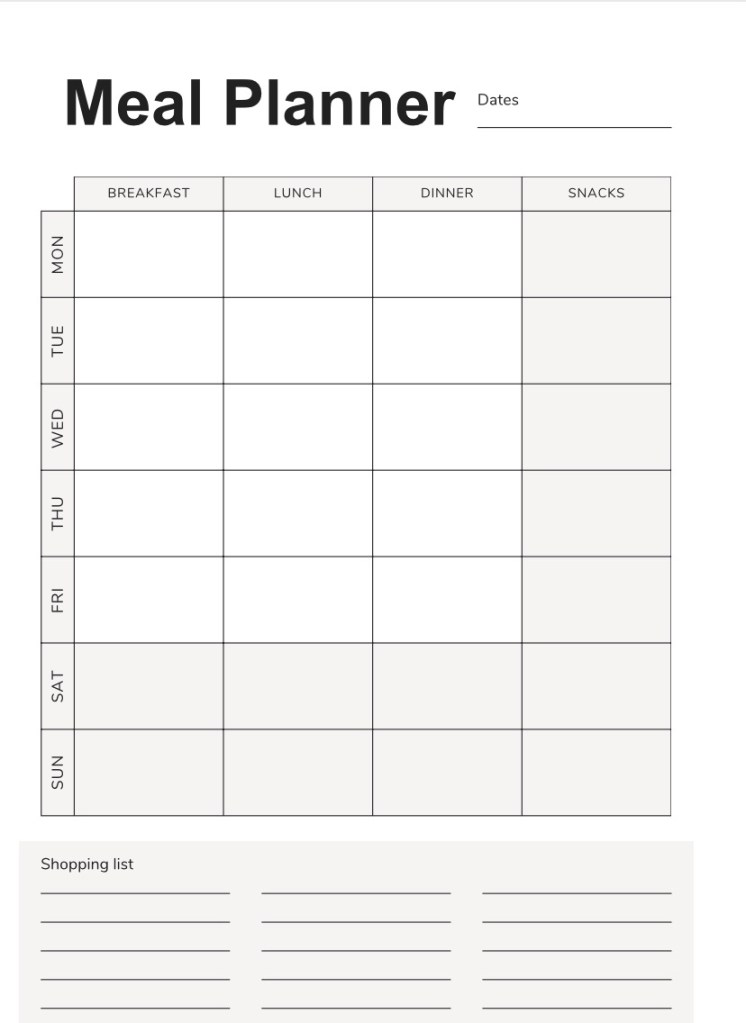
Create a dietary plan in the doctors office before leaving. You can ask your doctor for ideas. Secure a copy of our “Menu Planner”.

Step 5:
On your way home collect a couple of salads or a couple of heads of lettuce to begin dietary change right away. Also add chicken breast, fish, steak or any meat kind to a salad. Do not use sauces. If you can transition to a raw plant base dietary lifestyle change can be very beneficial. Fasting can be considered.
Step 6:
Hydration Action plan: Start hydrating with still water or infused water. Filtered cistern water, local water company water but avoid imported water in plastic bottles.
Step 7:
Movement action plan. What ever is your usual exercise activity start right away. The key is movement.
Step 8:
New Habit creation action plan: Creating a new life habit must be understood and to be aware of the mind’s sabotaging behaviors.
Step 9:
Any extreme stress in your life design a plan to minimize it’s affect on your body. Stress can increase your blood sugar levels.
Step 10:
Be kind to yourself. No blaming just stay focus on the key action plans.
Reminder list:
* Blood Glucose Monitoring Machine ( estimate $25 – $40)
* Blood Glucose Monitor Strips. Initial strips maybe given with the machine.
* Alcohol pads or a bottle of 70% alcohol with cotton balls
* Blood Glucose Log Book.
* Menu Planner

Conclusion:
Ensure the action plans mentioned above are implemented immediately. Healthy diet, leafy green vegetables, physical activity, and stress reduction. Monitor your blood sugar levels on a daily basis for the first two (2) weeks then a weekly schedule until the readings are with in optimum range.
Start Now:
If you are living with diabetes or have a higher risk of developing it, we encourage you to take action. Work closely with your healthcare provider, make healthy lifestyle changes, and monitor your blood sugar levels regularly. With the right support and management, you can live a full and healthy life with or without diabetes.
About the Author:
Gloria Penn-Wheatley, MD

Dr. Gloria Penn-Wheatley has been involved in the wellness space for the past thirty-five (35) years. She holds a Bachelor of Science Degree in Medical Technology from Howard University, Washington, DC, a Master’s degree in Medicine from American University of Medicine Barbados, trained in USA, and a pursuing PhD in Natural Medicine (studies).
Dr. Penn-Wheatley is a dedicated wife to Albert Wheatley and a loving mother of three: Lance Wheatley, Jessi Wheatley, and Dr. Joshua Wheatley. Notably, Dr. Joshua Wheatley graduated alongside her in 2019 and currently works as family medicine doctor in North Carolina, U.S.A.
As a passionate advocate for health and wellness, Dr. Penn-Wheatley has authored numerous books and workbooks aimed at educating individuals and assisting them in achieving optimum health. Her work is not just a profession but her life’s passion, reflecting her commitment to enhancing the well-being of others.
 Health Vibes